


Most office move-outs go wrong in the same way. Everyone focuses on the new space — the layout, the furniture order, the IT cutover — and the old space gets attention in the last ten days, which is exactly when the building tells you the freight elevator is booked and the charity says their next pickup slot is three weeks out.
This office move-out checklist runs the other direction: backward from your surrender date, with the slow items first. It’s built for a full suite with a firm lease end, and it assumes your team is still working while it happens. Adjust the timeline to your situation, but keep the order. For the bigger picture of what the job involves, see our guide to an office cleanout in Cincinnati, from lease review to broom-clean.
Office Move-Out Checklist: Where to Start
Your deadline is not the day the new office opens. It’s the date your lease requires the space back, in the condition your lease specifies. Pull the lease and find three things:
- The surrender date. The actual expiration or termination date.
- The surrender standard. “Broom clean” means remove your property and leave the space swept. A restoration standard means undoing alterations you made — removed walls rebuilt, cabling pulled, signage taken down and the wall repaired.
- The holdover clause. What happens if you miss. Holdover rent is typically charged at a penalty rate and often isn’t prorated, so running even a few days late can cost a full month at that rate.
Also check whether the lease requires written notice of intent to vacate and how far in advance. Missing that notice can trigger an automatic renewal.
Confirm anything ambiguous with your attorney or broker before you plan around it.
8 Weeks Out: Set the Foundations
- Read the lease and confirm the surrender date, surrender standard and any restoration obligations.
- Send written notice of intent to vacate if the lease requires it.
- Tell the property manager your target move-out date and ask for their move-out requirements in writing.
- Ask what the building requires from vendors — Certificate of Insurance, named additional insured, approved hours, elevator reservation process.
- Identify who owns this internally. One person, named, with authority.
- Walk the space and photograph its current condition, including any pre-existing damage.
6 Weeks Out: Decide What’s Moving
- Inventory the space room by room: workstations, private offices, conference rooms, reception, break room, storage, server closet.
- Mark everything as move, sell, donate, destroy or clear.
- Measure the new space and confirm what actually fits. More furniture gets abandoned at the new address than the old one.
- Call a used office furniture dealer or liquidator for anything with real resale potential.
- Call charities about donations now, not later. Pickups book out weeks in advance. See what to do with desks, chairs and cubicles.
- Count cubicle workstations and identify the system — disassembly is its own labor line.
4 Weeks Out: Book the Vendors
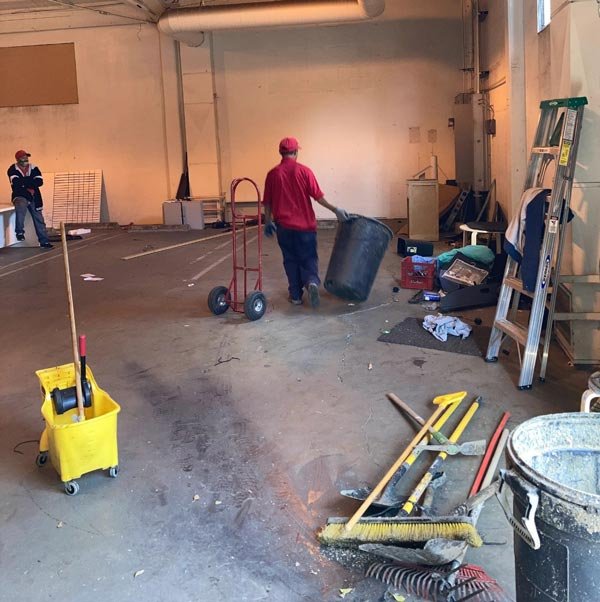
- Get on-site estimates from insured cleanout companies, and confirm each can meet your building’s insurance requirements.
- Submit vendor Certificates of Insurance to the property manager. Approval takes business days, not hours.
- Book the movers and the cleanout crew for separate days if possible. Running both at once in one elevator is a bad afternoon.
- Schedule secure document destruction and e-waste handling. Details in old office computers and files.
- Confirm what your IT team or provider needs: equipment inventory, data wipes, decommissioning of servers and network gear, return of leased hardware.
- Check for leased equipment — copiers, postage meters, coffee systems, water coolers, plants. These have return processes and dates of their own, and they’re the single most commonly forgotten item on a move-out.
3 Weeks Out: Reserve Access and Brief the Team
- Reserve the freight elevator and loading dock at both buildings.
- Confirm permitted working hours and whether the job has to happen evenings or a weekend.
- Arrange building access for crews: badges, sign-in, parking, truck staging.
- Email staff a clear date for clearing personal items, with specifics — desk contents, lockers, the fridge, anything stored in the back.
- Tell staff what happens to anything left behind after that date.
- Start the records purge with whoever owns your retention policy.
2 Weeks Out: Separate the Streams
- Isolate everything that’s moving into one room or clearly marked zone.
- Separate anything containing data — paper files, hard drives, backup media, old phones — for secure destruction.
- Confirm donation pickups in writing, with date, time and exactly what’s being collected.
- Order labels, tape and boxes. Always more than you think.
- Update your address: USPS, Google Business Profile, website, invoices, bank, insurance, licensing bodies, vendors and your signage.
1 Week Out: Final Prep
- Donation pickups happen this week, not next.
- IT disconnects and wipes equipment; leased hardware goes back.
- Empty and defrost the break room refrigerator.
- Take down wall art, whiteboards, signage and anything mounted, and note what needs patching.
- Walk the whole space including storage rooms, above-ceiling spaces, closets and any off-site storage unit you still rent.
- Confirm haul day timing with the crew and the building.
Move-Out Days
- Walk the space with the crew lead before anything is loaded. Point out the keep zone and any off-limits areas.
- Keep one person on site and reachable all day.
- Check every closet, cabinet, server closet and storage room before the last truck leaves.
- Collect receipts and donation documentation.
- Sweep and leave the space broom-clean, or confirm the crew is doing it.
After: Close It Out Properly
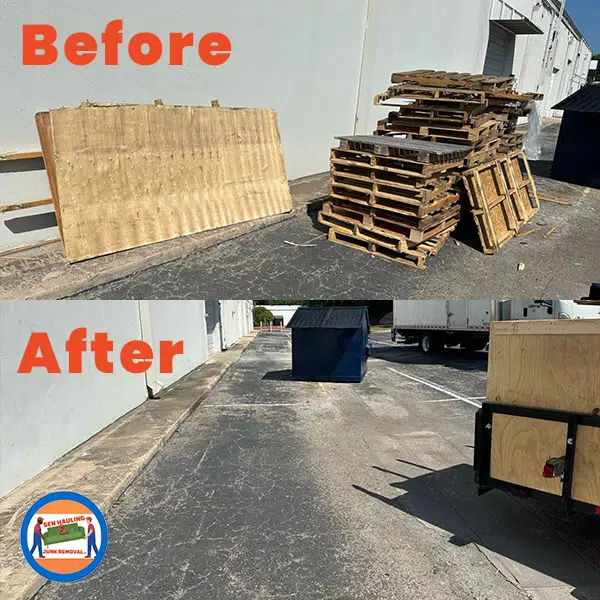
- Do a final walkthrough with the property manager, and get written confirmation that the space has been accepted.
- Return all keys, fobs, badges and parking passes in writing, with a receipt. Retaining keys has been used as an argument that a tenant never surrendered possession.
- Photograph the empty space on the day you hand it back.
- Transfer or cancel utilities, internet, phone lines, alarm monitoring and janitorial contracts.
- Cancel the storage unit if you had one.
- File all receipts, donation records and destruction certificates.
- Follow up on the security deposit per the lease terms.
7 Mistakes That Cost Businesses Their Deposit
- Assuming “broom clean” when the lease says restoration. These are different obligations, and the gap is discovered too late more often than not.
- Missing the notice deadline and triggering an automatic renewal.
- Forgetting leased equipment. Copiers and water coolers left behind become someone’s problem and usually your invoice.
- Leaving the storage room for last. It’s always fuller than anyone remembers.
- Not clearing vendor insurance in time, so the crew gets turned away and the haul slips past the surrender date.
- Letting staff handle their own desks without a deadline. Three people will leave it to the last morning.
- Keeping a set of keys to “finish up.” Hand them back, in writing, when you’re done.
Frequently Asked Questions
How far in advance should we plan an office move-out?
Eight weeks is comfortable for a full suite, and six is workable. The constraint isn’t the hauling, which takes days — it’s the sequence in front of it: notice periods, vendor insurance approvals, elevator reservations and donation pickups that book out weeks ahead.
What does a landlord expect when we hand back the space?
At minimum, the condition your surrender clause specifies, all your property removed, and all keys and access devices returned. Most landlords also do a joint walkthrough. Ask for the building’s written move-out requirements early so there are no new expectations in the final week.
What is holdover rent?
It’s the penalty rate charged when a tenant stays past the lease end or fails to properly surrender the space. It’s typically set well above the normal rate and often isn’t prorated for a partial month. Your lease sets the specifics.
Who removes the furniture we’re not taking?
That’s yours to arrange as part of meeting your surrender obligation. Most businesses use a combination of a liquidator for resellable pieces, charity pickups for functional furniture, and a cleanout crew for the rest.
Can we move out during business hours?
It depends on the building. Many multi-tenant properties restrict moving to evenings and weekends because shared lobbies and elevators can’t be tied up during the day. Ask the property manager before you book anyone.
What should we do with old files during a move?
Separate them from general clearance and run them through secure destruction, keeping anything your retention policy still requires. Records containing consumer, patient or employee information have specific disposal requirements and shouldn’t go in a general haul.
Keep This Checklist Open
An office move-out is manageable when it runs backward from the surrender date instead of forward from today. Confirm the lease terms, start the slow items first, clear the building’s paperwork early, and leave the hauling for the end. When you reach the four-week mark and want the heavy part handled, SEN Hauling & Junk Removal offers free on-site estimates across Cincinnati and Northern Kentucky.